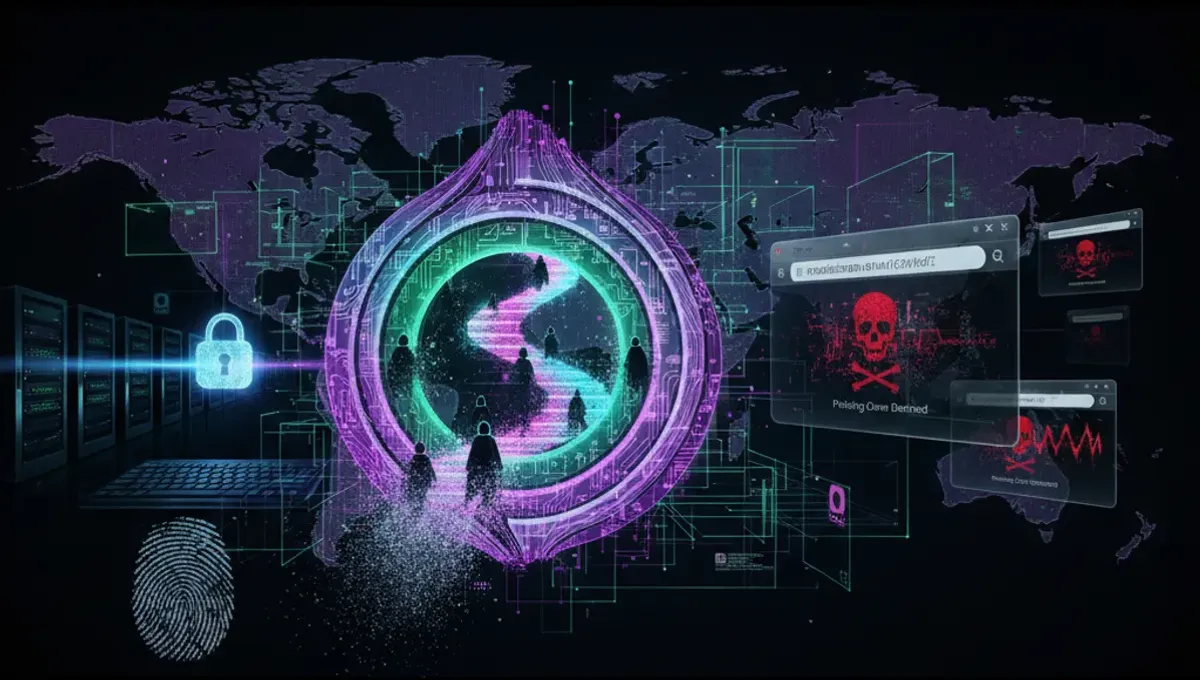
What Dark Web Market Sites Were
Dark web market sites operated as decentralized or centralized storefronts accessible only through Tor browsers using .onion addresses. They mimicked legitimate e-commerce platforms with vendor profiles, escrow systems, dispute resolution, and user ratings. The most well-known examples, such as Silk Road (seized in 2013) and AlphaBay (shut down in 2017), attracted thousands of vendors and hundreds of thousands of users. These sites typically charged vendors listing fees and took a percentage of each transaction. The anonymity provided by Tor and cryptocurrency payments created an environment where illegal goods and services could be advertised openly, though law enforcement agencies worldwide developed techniques to identify and prosecute operators and major users.
How Market Escrow and Trust Systems Worked
Dark web market sites used escrow mechanisms to reduce fraud between strangers. When a buyer purchased an item, the marketplace held the cryptocurrency payment temporarily. The vendor would then ship the product, and the buyer had a window to confirm receipt and quality. Only after confirmation would the marketplace release funds to the vendor. User reputation systems displayed feedback scores and vendor ratings, similar to eBay or Amazon. However, these trust systems were vulnerable to manipulation through fake reviews, sybil attacks (creating multiple accounts), and exit scams where site administrators simply disappeared with all held funds. The lack of legal recourse meant disputes were resolved through the marketplace's own moderation team, which had no obligation to act fairly or transparently.
Why Law Enforcement Successfully Shut Them Down
Despite Tor's anonymity protections, law enforcement agencies identified market operators through multiple vectors. Operational security failures by administrators, such as reusing usernames across platforms or making mistakes during server maintenance, exposed real identities. Cryptocurrency transaction analysis revealed patterns that linked wallet addresses to individuals. Undercover agents and informants infiltrated markets and gathered evidence. Court records from prosecutions of Silk Road founder Ross Ulbricht and AlphaBay administrator Alexandre Cazes show that investigators combined traditional detective work, digital forensics, and international cooperation. The seizure of servers provided law enforcement with transaction logs, user databases, and vendor information. These successes demonstrated that even on the dark web, operational security lapses and the permanence of blockchain records created exploitable vulnerabilities.
Reality Layer: How the Ecosystem Actually Behaves
According to Tor Project documentation and security vendor incident reports, dark web markets experience constant churn: new sites launch, gain users, then vanish or are seized within months or years. Exit scams are endemic; operators frequently steal escrow funds and disappear, leaving users with no recourse. Phishing clones of legitimate market sites proliferate, using similar names and interfaces to trick users into depositing cryptocurrency that is never recovered. Law enforcement press releases and court records show that even high-profile markets with strong reputations were compromised by insider threats, where employees or moderators stole user data or funds. The cryptocurrency transactions that enable these markets are pseudonymous, not anonymous; blockchain analysis firms now routinely trace payments, and exchanges increasingly require identity verification, creating a record that can be subpoenaed. Understanding these realities matters because they show that dark web markets are not safe havens; they are high-risk environments where scams, law enforcement action, and data theft are routine.
Common Risks and Misconceptions
A widespread misconception is that using Tor and cryptocurrency guarantees anonymity. In reality, Tor protects your connection from network eavesdropping, but it does not protect you from market administrators, law enforcement, or other users who may deanonymize you through operational security mistakes or technical exploits. Another myth is that dark web market sites are safer than street dealers for purchasing illegal goods. Markets introduce additional risks: the vendor may send nothing, send a diluted or dangerous product, or be an undercover agent. Exit scams mean your payment may vanish entirely. Phishing clones harvest login credentials and cryptocurrency. Law enforcement has successfully prosecuted thousands of market users, not just operators. The belief that "everyone on the dark web is a criminal" is false; journalists, activists, and privacy-conscious individuals use Tor legitimately. However, the belief that dark web markets are consequence-free is equally false and has led to convictions, asset seizures, and imprisonment.
How Phishing Clones and Scams Exploited Market Names
When a popular dark web market site was seized or announced an exit, scammers immediately created lookalike versions using similar names and copied interfaces. Users who bookmarked an old address or mistyped a URL would land on a phishing clone, log in with their credentials, and lose access to their accounts and funds. Legitimate market operators countered this by publishing PGP-signed announcements on forums and mirror sites, but many users ignored these warnings or did not know how to verify signatures. Vendors also created fake storefronts impersonating established sellers, using stolen reputation scores or copying product listings. The decentralized nature of Tor meant there was no central authority to police domain squatting or trademark infringement. Users who wanted to verify a site's legitimacy had to manually check PGP signatures, compare .onion addresses character by character, and cross-reference announcements on multiple forums. This friction created opportunities for scammers to profit from users' mistakes.
Safer Ways to Verify Addresses and Avoid Phishing
If you encounter references to dark web onion sites or need to verify whether an address is legitimate, follow these steps:
- Check the Useful Resources page on this site for verified links to official projects and security organizations.
- Look for PGP-signed announcements from the organization or project you are interested in.
- Verify the PGP signature using the public key published on their official website or in multiple independent sources.
- Compare the .onion address character by character; do not rely on visual similarity.
- Use a password manager to store verified addresses so you do not accidentally visit a typo domain.
- Be skeptical of any site asking you to deposit cryptocurrency or create an account before you have independently verified its legitimacy.
- If a site claims to be a mirror or backup of another site, verify this claim through PGP-signed announcements.
These practices apply whether you are researching dark web history, accessing legitimate privacy tools, or simply browsing. Phishing and scams are the most common way ordinary users lose money or compromise their security on Tor.
What Happened to Major Markets and What It Means
Silk Road, the first major dark web market site, was shut down by the FBI in 2013 after operating for approximately two years. Its founder was arrested, tried, and convicted; he is serving a life sentence. AlphaBay, which operated from 2014 to 2017 and had grown to over 200,000 users, was seized in a coordinated international operation. Its administrator died in custody in Thailand under disputed circumstances. Dream Market, Nightmare Market, and others followed similar patterns: rapid growth, increasing law enforcement attention, then seizure or exit scam. These closures did not eliminate dark web markets; new ones launched to replace them. However, each closure provided law enforcement with databases, transaction records, and user information that led to prosecutions months or years later. For ordinary users, the lesson is that dark web market sites are temporary and risky. For security professionals and researchers, these cases demonstrate that Tor and cryptocurrency do not provide immunity from law enforcement and that operational security failures are inevitable at scale.
Frequently asked questions
Are dark web market sites still operating?
New dark web market sites launch regularly, but most are short-lived due to law enforcement action, exit scams, or technical failures. The status of any specific market changes frequently. To find current information, check security news sources and the Useful Resources page on this site rather than searching for active markets.
How do law enforcement agencies shut down dark web markets?
Law enforcement uses cryptocurrency transaction analysis, undercover operations, server seizures, and operational security mistakes by administrators. They also work with international partners and internet service providers. Court records from prosecutions show that even sophisticated operators eventually make mistakes that expose their identity or location.
What is the difference between dark web market sites and legitimate Tor services?
Legitimate Tor services include privacy-focused email providers, news organizations, and security tools that operate transparently and follow laws. Dark web market sites were designed to facilitate illegal transactions and operated in secrecy. The Tor network itself is neutral; how it is used determines legality and safety.
How can I tell if a dark web site is a phishing clone?
Verify the .onion address character by character against PGP-signed announcements from the organization. Check multiple independent sources. Be suspicious of sites that ask you to deposit funds immediately or that have poor grammar and design. Use a password manager to store verified addresses so you do not accidentally visit a typo domain.
What happened to users who bought from dark web market sites?
Many users were prosecuted after law enforcement obtained transaction records and user databases from seized markets. Others lost money to scams or phishing clones. Some received packages containing dangerous or counterfeit products. Law enforcement has successfully traced cryptocurrency payments and identified users years after transactions occurred.