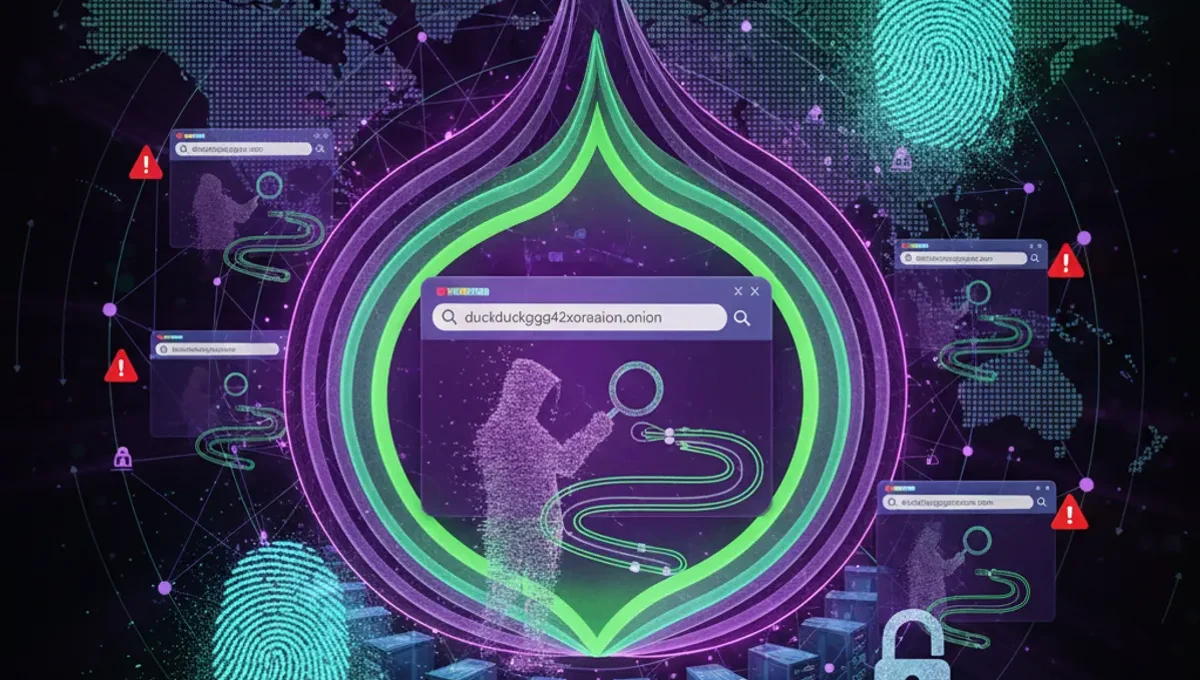
What Is an Onion Link and How Does It Relate to Alice in Wonderland
An onion link is a Tor hidden service address that ends in .onion. These addresses are generated cryptographically and are designed to be difficult to predict or trace. The term "Alice in Wonderland" in onion link discussions typically refers to a metaphor for falling into the Tor network or encountering unexpected, often misleading content when following links without verification.
When people talk about an "Alice in Wonderland onion link," they may be referencing the disorientation that comes from navigating onion services without proper verification. The Tor Project documentation emphasizes that onion addresses can be cloned or spoofed, and users who follow unverified links can end up on phishing sites or scam mirrors instead of legitimate services. Understanding this distinction is critical before you interact with any onion browser link.
The Ecosystem of Onion Links and Verification Challenges
Onion services operate on the principle of hidden identity, but this same property makes verification difficult. A legitimate onion address should be obtained from an official source: a PGP-signed announcement, a project's clearnet website, or a trusted community resource. Many users encounter problems because they follow onion links from forums, Reddit threads, or search results without confirming the address.
The link onion tor ecosystem includes thousands of services, from privacy-focused email providers to forums and archives. However, it also includes numerous clones and phishing sites designed to steal credentials or distribute malware. When searching for an onion link tor service, always cross-reference the address with multiple independent sources. If you see an onion link opener or onion browser link recommended in a casual context, verify it through the official project's clearnet presence before trusting it.
How Phishing and Clones Exploit Onion Link Names
Phishing attacks on onion services work by creating near-identical clones of legitimate sites. An attacker registers a similar .onion address, copies the interface, and waits for users to mistype or follow an incorrect link. The "Alice in Wonderland" metaphor captures this experience: you think you're accessing a known service, but you've actually landed on a fraudulent mirror.
Common tactics include:
- Registering onion addresses with one or two character differences from the legitimate address
- Hosting the clone on a darksearch onion link or directory listing to gain visibility
- Using the clone to harvest usernames, passwords, or cryptocurrency wallet information
- Distributing malware disguised as software updates
To avoid this trap, bookmark the official onion address after verifying it through the project's clearnet site. Never rely on search results alone, and always check the full address in your browser's address bar before entering credentials.
Verification Methods for Onion Addresses
Verifying an onion link requires multiple steps. Start by visiting the project's official clearnet website and looking for a link to their onion service. Legitimate projects publish their onion addresses prominently and often sign them with PGP keys.
Verification checklist:
- Visit the project's main website (not via Tor initially)
- Look for an official onion address or a link labeled "Tor mirror" or "Onion service"
- Check if the address is signed with a PGP key you can verify
- Compare the address character-by-character with any other sources you find
- Access the onion address through the Tor Browser and confirm the site content matches the clearnet version
- If the site asks for credentials immediately, verify the address again before entering anything
The Tor Project's own resources and security advisories recommend this approach. Never assume an onion link opener tool or browser extension will automatically verify addresses for you; these tools can themselves be compromised.
Why Onion Links Matter Beyond Curiosity
Onion services serve legitimate purposes: journalists use them to receive anonymous tips, activists use them to communicate safely in repressive regions, and privacy-conscious users rely on them for secure email and messaging. Understanding how to verify and use onion links correctly is a security skill, not a technical curiosity.
When you encounter references to darksearch onion link directories or onion link tor guides, the underlying principle is the same: verification before trust. A directory listing an onion address does not guarantee the address is legitimate or currently operational. The address may have been seized by law enforcement, abandoned by its operators, or replaced by a clone. This is why security researchers and privacy advocates emphasize checking official announcements and PGP signatures rather than relying on third-party directories alone.
Reality Check: How Onion Services Actually Behave
According to Tor Project documentation, onion services are resilient but not immune to attack or compromise. Law enforcement agencies have successfully identified and shut down onion services by analyzing traffic patterns, exploiting operational security failures, or obtaining cooperation from hosting providers. Court records from high-profile cases show that even services designed for anonymity can be traced through metadata, payment records, or user behavior.
Security vendor incident reports document that phishing clones of onion services are common and often go undetected for weeks or months. This matters to you because it means that even if you find an onion link through a trusted source today, you should re-verify it periodically. An onion address that was legitimate last month may be a clone or a seized service now. Academic research on onion services emphasizes that user behavior, not just the technology, determines security outcomes. Reusing passwords across onion and clearnet accounts, for example, can deanonymize you even if the onion service itself is secure.
Taking the Next Step: Secure Onion Link Practices
If you need to use onion services, start by installing the official Tor Browser from the Tor Project's website. Do not download it from mirrors or third-party sources. Before accessing any onion link, verify the address through the project's official clearnet presence and check the PGP signature if one is provided.
Keep your Tor Browser updated and use a dedicated device or virtual machine if you're accessing sensitive services. Never maximize your browser window, as this can reveal your screen resolution and make you easier to fingerprint. Treat onion links with the same caution you would apply to any security-critical service: assume nothing, verify everything, and if something feels off, stop and re-verify the address.
The goal is not to become paranoid but to develop a habit of verification. Each time you encounter an onion link tor reference or an onion browser link recommendation, ask yourself where it came from and whether you can confirm it independently. This single practice will protect you from the vast majority of phishing and clone attacks.
Frequently asked questions
What does Alice in Wonderland mean in the context of onion links
It's a metaphor for the disorientation and risk of following unverified onion links without understanding where they lead. Just as Alice falls down a rabbit hole into an unfamiliar world, users who click onion links without verification can end up on phishing clones or scam sites instead of legitimate services. The term emphasizes the importance of verifying onion addresses before trusting them.
How do I know if an onion link is real or a phishing clone
Verify the address through the project's official clearnet website and check for a PGP signature if available. Compare the address character-by-character with multiple independent sources. Access the site through Tor Browser and confirm the content matches what you expect. If you're asked for credentials immediately or the site looks slightly off, stop and re-verify the address before proceeding.
Can I use an onion link opener tool to verify addresses automatically
No. Onion link opener tools and browser extensions cannot reliably verify addresses for you, and they can themselves be compromised or malicious. Manual verification through official sources and PGP signatures is the only trustworthy method. Always verify addresses yourself rather than relying on automated tools.
What should I do if I accidentally accessed a phishing clone onion link
If you entered credentials or sensitive information, assume that data is compromised. Change your password immediately on the legitimate service using a different device or network. If you entered payment information, contact your bank or payment provider. Do not access the clone again, and report the phishing address to the legitimate project if they have a security contact.
Are onion links safe to use for everyday browsing
Onion services are designed for specific security purposes, not general browsing. They are slower than clearnet services and require careful verification to avoid phishing. Use onion links only when you have a specific reason to do so, such as accessing a service that requires anonymity or is blocked in your region. Always verify the address and keep your Tor Browser updated.