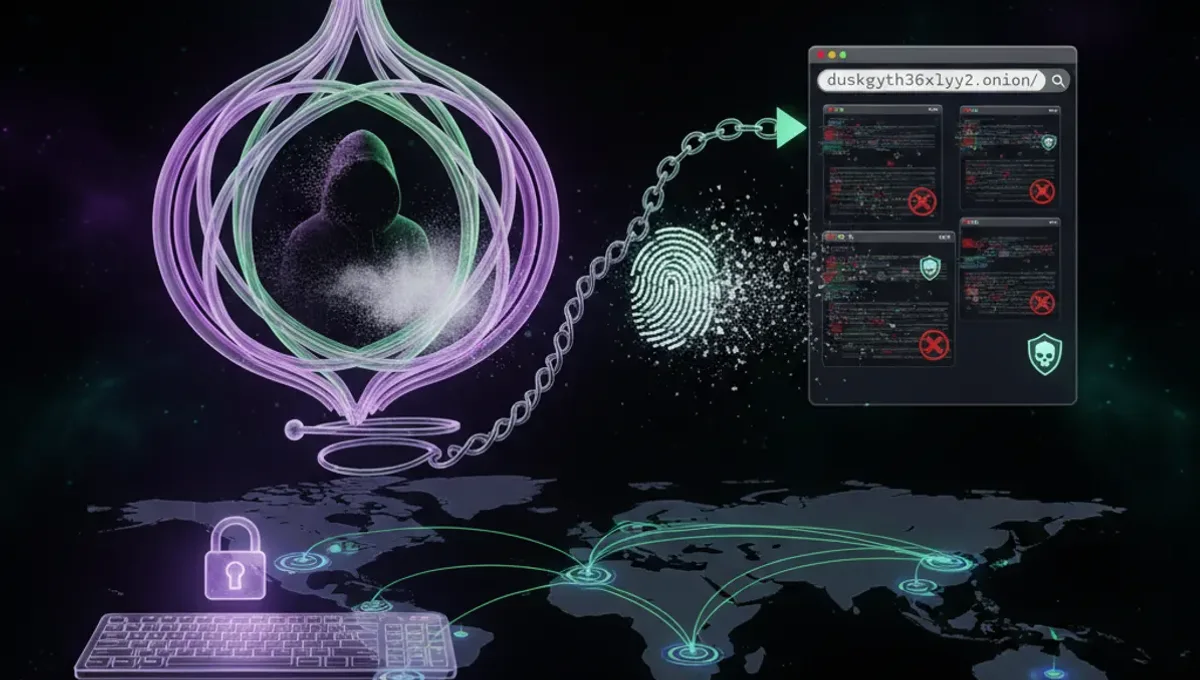
What Dark Web Sales Marketplaces Were
Dark web sales marketplaces were online platforms hosted on .onion addresses, accessible only through the Tor browser. They functioned similarly to conventional e-commerce sites, with vendor profiles, product listings, user ratings, and escrow systems to hold payment until delivery was confirmed. The largest and most notorious of these marketplaces operated for years before law enforcement action shut them down. Vendors used pseudonyms and cryptocurrency wallets to maintain anonymity, while buyers accessed the sites through multiple layers of encryption. These platforms attracted both users seeking privacy and those engaged in illegal activity, creating a mixed ecosystem where legitimate privacy advocates and criminals coexisted uneasily.
How Escrow and Reputation Systems Worked
Dark web sales marketplaces relied on escrow mechanisms to reduce fraud between anonymous parties who had no legal recourse. When a buyer placed an order, cryptocurrency payment was held by the marketplace rather than sent directly to the vendor. Only after the buyer confirmed receipt and satisfaction would the funds be released. Reputation systems allowed vendors to build trust through positive reviews and transaction history, similar to mainstream platforms. However, these systems were vulnerable to manipulation through fake reviews and sybil attacks where a single operator created multiple accounts. Buyers who lost money to scams had no way to recover their funds or report the fraud to authorities, making due diligence and vendor selection critical for anyone using these platforms.
The Role of Best Dark Web Apps and Browsers
Accessing dark web sales marketplaces required specific tools, most notably the Tor browser, which remains the best dark web browser for routing traffic through multiple relays to obscure user location and identity. Users often combined the Tor browser with a VPN or ran it on operating systems like Tails or Whonix to add additional security layers. Some users employed best dark web apps such as cryptocurrency wallets designed for privacy, PGP encryption tools for secure messaging with vendors, and password managers to handle the numerous accounts needed. The technical barrier to entry filtered out casual users but did not prevent determined individuals from accessing marketplaces. Security-conscious users verified .onion addresses through PGP-signed announcements to avoid phishing clones that mimicked legitimate marketplace domains and stole login credentials or cryptocurrency.
Finding Listings: Best Dark Web Search and Pages
Users located dark web sales listings through best dark web search engines like Ahmia and Torch, which indexed .onion sites similarly to how Google indexes the surface web. Some marketplaces maintained their own internal search functions allowing buyers to filter by category, price, and vendor rating. Best dark web pages for discovering new vendors included forum threads where users shared recommendations and warnings about scams. Reddit communities and specialized forums also served as informal directories where users discussed which marketplaces were trustworthy and which had exit scammed. However, these information sources were themselves targets for misinformation and law enforcement infiltration. Vendors and marketplace administrators sometimes posted updates on multiple platforms to maintain communication with their user base when primary sites went offline.
Why Dark Web Sales Marketplaces Failed and Were Seized
Law enforcement agencies worldwide conducted coordinated operations to identify and shut down major dark web sales platforms. The Tor network's anonymity, while strong, was not absolute. Investigators used traffic analysis, cryptocurrency tracing, operational security mistakes by administrators, and undercover purchases to gather evidence. Several high-profile marketplace operators were arrested after years of operation, with court records detailing how investigators traced cryptocurrency transactions and correlated user behavior patterns. Exit scams also destroyed marketplaces when administrators simply disappeared with customer funds held in escrow. The decentralized nature of the dark web meant that when one marketplace closed, others emerged to replace it, but each new iteration faced the same vulnerabilities and law enforcement attention. Users who had deposited cryptocurrency into marketplace wallets lost access to their funds permanently when sites were seized.
Reality Check: How the Ecosystem Actually Behaves
According to Tor Project documentation and public law enforcement press releases, dark web marketplaces are inherently unstable environments where scams, theft, and law enforcement action are constant risks. Vendors routinely exit scam by accepting orders and payment without delivering goods, knowing they face no legal consequences and can simply create new accounts. Cryptocurrency transactions, while pseudonymous, leave permanent records on the blockchain that sophisticated analysis can link to real identities over time. Court records from major marketplace prosecutions show that administrators made operational security errors such as reusing email addresses, logging in from the same IP address repeatedly, or failing to properly secure their cryptocurrency wallets. Academic research on onion services confirms that the anonymity provided by Tor does not protect users from their own mistakes or from determined law enforcement investigation. For ordinary users, the practical reality is that dark web sales marketplaces offer no buyer protection, no dispute resolution, and no recourse if money or personal information is stolen.
Risks and Misconceptions About Dark Web Sales
A common misconception is that dark web sales are completely anonymous and untraceable. In reality, users can be identified through operational security failures, cryptocurrency analysis, and correlation of behavior patterns across multiple platforms. Another false belief is that marketplaces provide reliable escrow protection. Escrow only works if the marketplace operator is honest, and many have proven willing to steal customer funds or cooperate with law enforcement. Users also underestimate the prevalence of scams and counterfeit products on these platforms. Vendors selling stolen data, malware, or fake goods outnumber legitimate sellers, and there is no quality control or verification process. Additionally, purchasing illegal goods carries legal consequences in most jurisdictions regardless of the anonymity tools used. Law enforcement agencies have successfully prosecuted buyers and sellers, demonstrating that dark web sales activity is not invisible to authorities.
What You Can Do Today
If you are researching dark web sales for security awareness or academic purposes, start by reading publicly available court documents and law enforcement press releases about marketplace seizures. These sources provide factual information about how these operations worked and how they were dismantled. Visit the Useful Resources page on this site for verified links to Tor Project documentation and official security guides. If you are concerned about your data being sold on dark web marketplaces, monitor your email address and financial accounts for unauthorized activity, use strong unique passwords for each online account, and enable two-factor authentication where available. Consider using a password manager and a reputable VPN service to reduce your exposure to data harvesting. Understanding how dark web sales marketplaces operated and failed is the foundation for protecting yourself against the real threats they represented: stolen credentials, compromised data, and malware.
Frequently asked questions
What were the biggest dark web sales marketplaces
Several large marketplaces operated over the years before being seized by law enforcement. Court records and press releases document their operations, but naming active or recently closed platforms could direct users to phishing clones or successor sites. Consult the Useful Resources page for verified information about specific marketplace histories and law enforcement actions.
How did dark web sales marketplaces accept payment
Most marketplaces accepted Bitcoin and other cryptocurrencies because they offered pseudonymity and did not require traditional banking infrastructure. Payments were typically held in escrow by the marketplace until the buyer confirmed receipt of goods. However, cryptocurrency transactions leave permanent records on the blockchain that can be analyzed to trace funds and identify users.
Can you get caught buying on dark web marketplaces
Yes. Law enforcement has successfully prosecuted buyers and sellers on dark web marketplaces through cryptocurrency analysis, operational security mistakes, and undercover operations. Anonymity tools like Tor provide protection against casual surveillance but do not guarantee immunity from determined investigation by authorities with technical resources.
Why do dark web sales marketplaces keep getting shut down
Marketplaces are shut down through law enforcement operations targeting administrators, exit scams where operators steal customer funds, and technical vulnerabilities that allow investigators to identify servers and users. The decentralized nature of the dark web means new marketplaces emerge, but each faces the same fundamental risks and law enforcement attention.
Is it safe to use dark web sales marketplaces
No. These platforms offer no buyer protection, no dispute resolution, and no recourse if you are scammed or your data is stolen. Vendors routinely exit scam, and law enforcement actively investigates marketplace activity. The legal and security risks far outweigh any perceived benefits.