What Are Deep Web Onion Sites
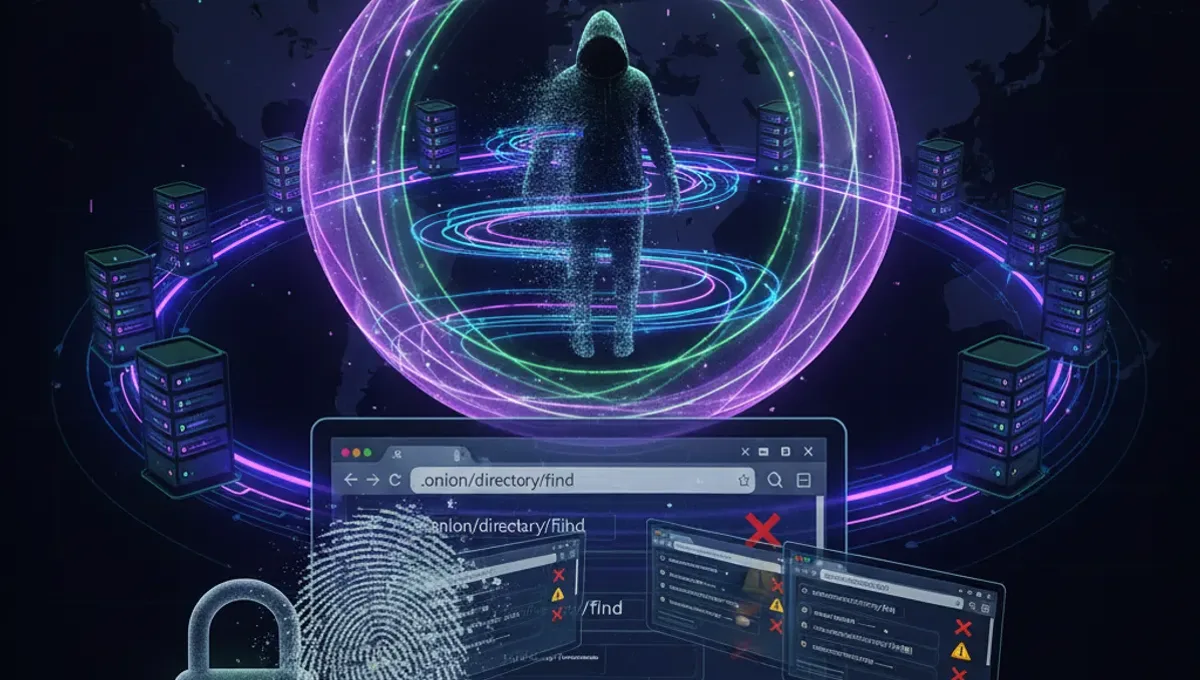
An onion site is a web service that runs on the Tor network and is identified by a .onion address instead of a standard domain. The name comes from Tor's onion routing architecture, which layers encryption in concentric rings. When you visit a deep web onion site through the Tor browser, your connection is routed through multiple relays, and the site's server location is hidden from you and from network observers.
Onion sites can be temporary or permanent. Some are run by news organizations, human rights groups, and privacy advocates. Others host forums, libraries, and communication platforms. The technical design means that both the visitor and the site operator gain anonymity, which is why onion sites appeal to people in countries with heavy censorship and to those who value privacy.
The deep web link onion ecosystem is decentralized. There is no central directory of all onion sites, and addresses do not follow a predictable pattern. A v3 onion address (the current standard) is 56 characters long and looks like a random string of letters and numbers. This design prevents someone from guessing an address or registering a lookalike domain the way they might with a .com site.
How Onion Routing and Tor Protect Anonymity
Tor works by routing your traffic through a series of volunteer-run relays. Each relay knows only the previous relay and the next one, not your origin or final destination. This is the onion routing principle: each layer of encryption is peeled away at each hop, revealing only the next step.
When you connect to a deep web onion site, the Tor browser on your computer establishes a circuit through multiple relays before reaching the site's hidden service. The site itself is also hidden behind Tor relays, so its IP address is not exposed. This mutual anonymity is why onion sites are used for sensitive communication.
However, anonymity is not automatic. The Tor Project documentation emphasizes that your security depends on how you use Tor, not just running it. Mistakes like maximizing your browser window, logging into personal accounts, or downloading files without caution can leak identifying information. The best deep web search and best deep web websites guides stress that technical anonymity is only one layer; operational security (OpSec) matters equally.
Legitimate Uses of Deep Web Onion Sites
Journalists use onion sites to receive anonymous tips from sources in repressive countries. News organizations like major international outlets have published their .onion addresses so that whistleblowers can contact them securely. Human rights organizations run onion sites to help people in censored regions access information and communicate without state surveillance.
Libraries and archives exist on the deep web to preserve knowledge and provide access to books, research, and historical documents. Privacy advocates run forums and chat services where people discuss security, encryption, and digital rights. Some onion sites host mirrors of Wikipedia and other reference materials for users in countries where these sites are blocked.
Corporate security teams and law enforcement also use onion infrastructure for legitimate purposes. The Tor Project itself maintains onion addresses for its own services. These uses show that the deep web onion ecosystem is not inherently criminal, though the anonymity it provides does attract illegal activity alongside legitimate activity.
Why Phishing and Clones Are a Major Risk
Because onion addresses are long random strings, they are hard to remember and easy to mistype. Attackers exploit this by creating phishing clones of popular onion sites. A clone looks identical to the real site but is controlled by the attacker. When you enter credentials or send data to a clone, the attacker captures it.
The problem is worse because there is no central registry of onion addresses. If you find a link on Reddit, in a forum post, or on a search result, you cannot easily verify whether it is the real site or a clone. Many users have lost cryptocurrency, personal data, or access to accounts by entering credentials into phishing clones.
To verify an onion address, look for PGP-signed announcements from the site operator. Legitimate sites publish their official .onion address on their clearnet (regular internet) site, signed with a PGP key. If a site claims to be official but has no PGP signature or clearnet presence, treat it as unverified. Never assume a link is correct just because it appears in search results or on a forum.
The Reality of Darknet Marketplaces and Forums
Some of the most well-known onion sites have been illegal marketplaces where people bought and sold drugs, weapons, stolen data, and other contraband. These markets operated like e-commerce sites, with vendor ratings, escrow systems, and dispute resolution. They attracted users precisely because of the anonymity Tor provides.
Law enforcement agencies have successfully identified and shut down major marketplaces through a combination of technical investigation, undercover operations, and international cooperation. Court records and law-enforcement press releases show that even sophisticated operators made mistakes: reusing usernames, failing to properly configure servers, or leaving traces in blockchain transactions. The lesson is that Tor anonymity is not absolute; it is a tool that requires careful use, and mistakes can have serious consequences.
Forums on the deep web discuss security, privacy, and hacking. Some are educational; others facilitate illegal activity. The distinction is not always clear from the outside. Accessing a forum does not make you a criminal, but participating in illegal activity on any platform, onion or clearnet, carries legal risk. Law enforcement monitors onion sites and has prosecuted users for crimes committed there.
How to Safely Verify and Access Onion Sites
Before visiting any deep web onion site, verify the address through an official source. Follow these steps:
- Go to the organization's clearnet website (the regular internet version).
- Look for a link to their onion address or a PGP-signed statement with the address.
- Copy the address directly from that official source, do not type it manually.
- Paste it into the Tor browser address bar.
- Check the Tor browser's security indicator and certificate information if available.
If you are searching for onion sites, use a search engine designed for the deep web. These engines index onion sites and return results, but they do not verify whether a site is legitimate or a clone. Treat search results as a starting point, not as verification. Always cross-check with official sources.
When visiting a site, use a fresh Tor circuit if you are concerned about tracking. The Tor browser allows you to request a new circuit. Do not maximize your browser window, as this can reveal your screen resolution and help identify you. Do not enable plugins or extensions unless you understand the security implications. Download files only from trusted sources and scan them with antivirus software before opening them.
Common Misconceptions About Onion Sites
One misconception is that all onion sites are illegal. In reality, many are run by legitimate organizations and serve important purposes. Another is that using Tor or visiting an onion site is itself illegal. Using Tor is legal in most countries; what matters is what you do with it. Visiting a site is not a crime; buying illegal goods or services is.
A third misconception is that Tor provides complete anonymity. It does not. Tor protects against network-level surveillance and hides your IP address from the site you visit, but it does not protect against mistakes you make. If you log into a personal account on an onion site, you have linked your real identity to that activity. If you download a file with identifying metadata and open it in an unpatched application, you have exposed yourself.
A fourth misconception is that onion sites are faster or more reliable than clearnet sites. They are typically slower because traffic is routed through multiple relays. Sites may go offline without warning. Expecting high performance or guaranteed uptime from an onion site is unrealistic. Understanding these limitations helps you use onion sites appropriately and avoid frustration or poor decisions based on false expectations.
What You Should Do Now
If you are interested in accessing onion sites for legitimate reasons, start by understanding Tor and your own security needs. Download the Tor browser from the official Tor Project website, not from a third-party source. Read the Tor Project's documentation on security and best practices. If you are concerned about a data breach or want to monitor whether your information appears on the dark web, use a reputable data breach notification service or check the Useful Resources page of this site for verified tools.
If you encounter an onion site and are unsure whether it is legitimate, verify the address through official channels before entering any personal information. If you are a journalist, activist, or whistleblower seeking to communicate securely, research the organizations you want to contact and find their official onion addresses on their clearnet sites. If you are a security professional or researcher studying the onion ecosystem, approach it with caution and within legal and ethical boundaries.
The deep web onion ecosystem is real and complex. It serves legitimate purposes and attracts illegal activity. Your responsibility is to understand how it works, verify what you are accessing, and make informed decisions about whether and how to use it.
Frequently asked questions
What is the difference between the deep web and the dark web
The deep web is any part of the internet not indexed by search engines, including password-protected email accounts and medical records. The dark web is a small part of the deep web that has been intentionally hidden and requires specific software like Tor to access. Onion sites are part of the dark web.
Is it illegal to visit deep web onion sites
Visiting an onion site is not illegal in most countries. However, accessing or purchasing illegal goods or services is a crime. Your legal risk depends on what you do on the site, not on the fact that you visited it. Using Tor itself is legal in most jurisdictions.
How do I know if an onion site is real or a phishing clone
Verify the address through the organization's official clearnet website or a PGP-signed announcement. Look for a link to their onion address or a cryptographic signature confirming the address. Never rely on links from forums, Reddit, or search results alone. If you cannot find an official source, treat the site as unverified.
Can I be tracked if I use Tor to visit an onion site
Tor hides your IP address from the site and from network observers, but it does not protect against all tracking methods. If you log into a personal account, use your real name, or download files with identifying metadata, you can be linked to your activity. Operational security and careful behavior matter as much as the technology.
What should I do if I find my information on a dark web marketplace
If you believe your personal data has been compromised, change your passwords immediately, enable two-factor authentication, and monitor your accounts for suspicious activity. Consider using a credit monitoring service. Report the incident to relevant authorities if it involves financial fraud or identity theft. Do not attempt to contact the marketplace or negotiate with the seller.