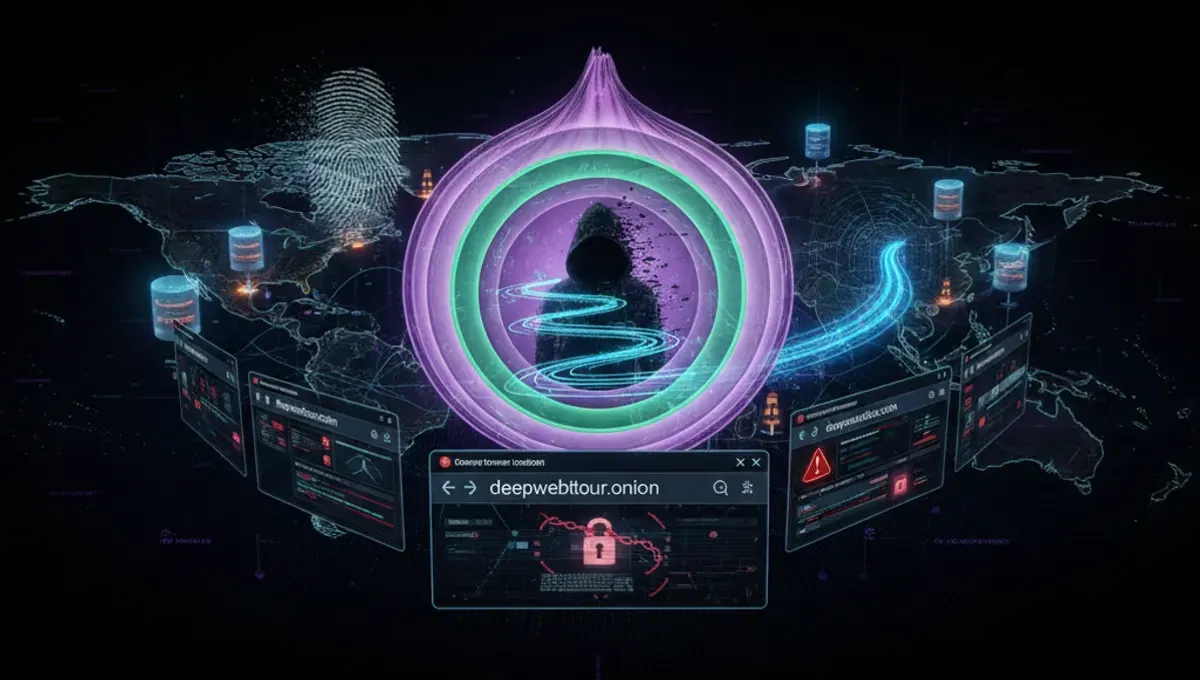
What Counts as a Good Dark Web Site
A good dark web site serves a real purpose beyond anonymity theater. The best dark web sites include news outlets that mirror their content on Tor for readers in censored regions, privacy-focused communication platforms, security research archives, and discussion forums where people share technical knowledge about encryption and operational security. These sites typically have been online for years, maintain PGP-signed announcements, and don't advertise themselves aggressively. They are not marketplaces for contraband, and they do not promise to make you untraceable or rich. A good dark website prioritizes stability, transparency about its operators, and a clear mission. Many are run by nonprofits or volunteer teams. The craziest dark web sites you hear about in sensationalized articles are usually either law-enforcement honeypots, exit scams, or fabrications designed to attract clicks.
Why Most Dark Web Links Are Dead or Fake
The onion address space is hostile to permanence. Servers go offline, operators disappear, and phishing clones proliferate. A site that worked last month may be gone this week. Phishing clones are exact replicas of popular sites, hosted on different .onion addresses, designed to steal login credentials or PGP keys. Because onion addresses are long, random strings of characters, most people cannot verify them by memory or by visual inspection. This makes cloning trivial. Law enforcement also runs honeypots: sites that look legitimate but log visitor behavior and attempt to deanonymize users through browser exploits or social engineering. The best sites in dark web communities publish their official addresses only through PGP-signed announcements on their own infrastructure or on established forums with long histories. If you find a link on a random blog or forum post, you have no way to know if it is current or authentic.
How to Verify an Onion Address
Verification requires multiple steps and patience. Do not visit an address you find on a third-party site without checking it first. Follow this process:
- Search for the site's official announcement on its primary platform (usually a forum or news site with a long history).
- Look for a PGP-signed message that includes the .onion address and a fingerprint.
- Verify the PGP signature using the public key published on the site's clearnet mirror or on a key server.
- Compare the address character-by-character with the one in the signed announcement.
- Visit the address only after confirmation.
If a site claims to be important but has no PGP-signed announcement, no clearnet presence, and no mention in established security communities, treat it as suspicious. Many good dark web websites maintain both a Tor address and a clearnet mirror specifically so users can cross-reference them.
Reality Layer: How the Ecosystem Actually Works
The onion services ecosystem operates under three constraints that shape what good dark web sites can be. First, Tor Project documentation confirms that onion addresses are not inherently secure against law enforcement with sufficient resources; they provide anonymity from passive network observers, not from determined adversaries with server access. This means a site's legitimacy depends on its operators' operational security, not on Tor's magic. Second, public law-enforcement press releases show that major darknet marketplaces and forums have been seized repeatedly, often with the cooperation of hosting providers or through malware deployed during browser exploits. Users who assume a site is safe because it is on Tor have been surprised by arrests. Third, academic research on onion services documents that phishing and impersonation are the dominant attack vectors; most users are compromised not by technical exploits but by visiting the wrong address. These three facts matter because they mean good dark web sites are rare, verification is essential, and anonymity alone is not a guarantee of safety.
Legitimate Categories of Good Dark Web Websites
News organizations like Reuters, BBC, and the New York Times maintain onion mirrors so journalists and readers in countries with heavy censorship can access reporting without triggering network blocks. These are among the most reliable good dark websites because they have institutional reputation to protect. Privacy-focused communication platforms offer encrypted messaging and email services that do not log metadata. Security research communities host forums where cryptographers, penetration testers, and privacy advocates discuss vulnerabilities and defensive techniques. Libraries and archives preserve books, academic papers, and historical documents that may be suppressed in certain jurisdictions. Whistleblowing platforms accept anonymous submissions and publish leaked documents. Each of these categories serves a specific, non-criminal purpose. The common thread is transparency: operators publish their mission, maintain contact information, and respond to security reports. If a site refuses to explain what it does or who runs it, it is not a good dark website.
Common Mistakes When Searching for Dark Web Sites
The first mistake is trusting a list. Any blog post, Reddit thread, or directory that claims to have a current list of working onion addresses is either outdated or misleading. Addresses change, sites close, and clones multiply. The second mistake is visiting a site without verifying the address. Phishing clones are indistinguishable from the real site until you log in and your credentials are stolen. The third mistake is assuming that a site is safe because it is on Tor. Tor provides anonymity, not security. A site can be legitimate and still be compromised, or it can be a honeypot run by law enforcement. The fourth mistake is ignoring HTTPS warnings or certificate mismatches. Even on Tor, a legitimate site should have a valid certificate or a clear explanation of why it does not. The fifth mistake is downloading files without verifying their signatures. Malware is common on darknet forums, and many files are trojans designed to steal credentials or deanonymize users.
Practical Steps to Find Trustworthy Onion Services
Start with established security organizations and news outlets. The Tor Project itself publishes links to legitimate onion services on its website. Major news organizations publish their onion addresses on their clearnet sites. Privacy organizations like the Electronic Frontier Foundation discuss onion services and link to reputable projects. Join established security communities on clearnet platforms first, where you can learn which onion services are discussed and recommended by people with verifiable histories. When you find a recommendation, cross-reference it across multiple independent sources. Look for sites that have been mentioned in security blogs, academic papers, or law-enforcement reports (which often name sites they have seized, helping you avoid honeypots). Use a dedicated Tor Browser profile for each site you visit, and keep your browser and operating system fully patched. Never maximize your browser window, as this can reveal your screen resolution and help deanonymize you. Disable JavaScript in Tor Browser settings. These practices reduce your risk of compromise far more than finding the perfect site.
Moving Forward: Verification Before Trust
The core lesson is that good dark web sites exist, but they are not easy to find and they are not found through directories or lists. They are found through patient verification and cross-referencing. Before you visit any onion address, spend time confirming it through multiple independent channels. Check for PGP signatures, clearnet mirrors, and mentions in established security communities. Accept that some addresses will be dead, some will be clones, and some will be honeypots. This friction is not a bug; it is a feature that protects you. The most practical step you can take today is to bookmark the Tor Project's official site and the EFF's security guides. These are your most reliable starting points for finding good dark web sites and learning how to verify them safely.
Frequently asked questions
What are the best dark web sites for privacy
The best sites in dark web for privacy are news mirrors, encrypted messaging platforms, and privacy-focused communication services run by established organizations. Examples include news outlets that publish on Tor and privacy projects backed by nonprofits. These sites publish PGP-signed announcements and maintain clearnet mirrors so you can verify their addresses. Avoid any site that claims to offer privacy without explaining how it works or who operates it.
How do I know if a dark web site is real
Verify the address through multiple independent sources. Look for PGP-signed announcements from the site's operators, check for mentions in established security communities, and cross-reference the address on the site's clearnet mirror if one exists. Never visit an address you found on a single blog post or forum thread without confirmation. If a site has no verifiable history and no way to confirm its address, treat it as suspicious.
Are there any good dark web sites that are actually safe
Sites run by established organizations with transparent operations and long histories are generally safer than anonymous sites. News outlets, privacy projects backed by nonprofits, and security research communities are more trustworthy than marketplaces or forums with no clear operators. However, no site is completely safe. Use a dedicated Tor Browser profile, keep your system patched, disable JavaScript, and never maximize your browser window.
Why do dark web sites keep disappearing
Onion addresses change when operators move servers, shut down, or are seized by law enforcement. Phishing clones also proliferate, making it hard to find the real address. Sites may also go offline temporarily for maintenance or security updates. This is why verification through PGP-signed announcements is essential; the operators will publish the new address through official channels.
Can I trust a list of dark web sites I found online
No. Any list of onion addresses is likely outdated, contains clones, or includes honeypots. Addresses change frequently, and phishing clones are indistinguishable from real sites. Instead of relying on lists, learn to verify addresses yourself through PGP signatures and cross-referencing with established security communities.