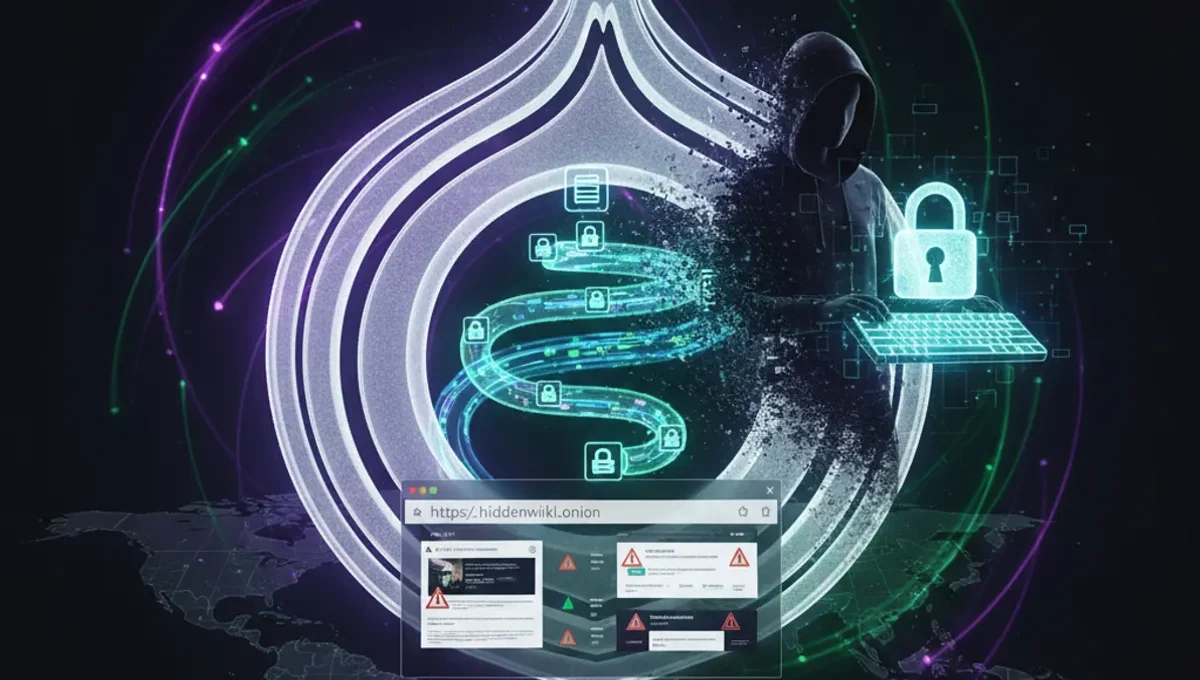
What a Dark Web Search Engine Actually Does
A dark web search engine crawls .onion sites the same way surface search engines crawl the regular web, but it operates entirely within the Tor network. When you query one, you're sending a request through Tor to a server that has indexed onion addresses and their content. The results you get back are links to pages hosted on Tor, not mirrors of surface web content.
These tools exist because Tor's anonymity makes traditional indexing impossible. A standard search engine cannot crawl .onion sites without running a Tor exit node and identifying itself, which would defeat the purpose of anonymity. Dark web search engines solve this by running their own crawlers on the Tor network and building indexes from what they discover. The best dark web search engine will have a large, regularly updated index and return results that are actually live and not dead links.
How Dark Web Search Engines Index Onion Sites
Indexing the dark web is slower and less comprehensive than indexing the surface web, because Tor's design prioritizes anonymity over speed. A dark web search engine crawler must connect through Tor, which means each request is slower and more resource-intensive. Crawlers also cannot follow every link on every site, so they typically focus on popular or frequently updated onion services.
Most dark web search engines use a combination of automated crawling and user submissions. When someone discovers a new .onion site, they may submit it to the search engine's index. This hybrid approach helps keep the index current without requiring the crawler to visit every corner of the network. The downside is that many smaller or newer onion sites never get indexed, and some results may point to sites that have moved or gone offline. This is why dead links are common when using dark web links search engine tools.
Key Differences Between Dark Web Search Engines
Not all dark web search engines are built the same. Some prioritize speed, others prioritize comprehensiveness, and some focus on specific categories of content. Here are the main factors that distinguish them:
- Index size: Larger indexes return more results, but smaller, curated indexes may be more accurate.
- Update frequency: Engines that crawl more often catch new sites and dead links faster.
- Search filters: Some allow filtering by content type, date, or language.
- Privacy stance: Some engines log queries or metadata; others claim not to.
- Availability: Some dark web search engine links change frequently or go offline; others have been stable for years.
When choosing a dark web best search engine, consider what you're actually looking for. If you need technical documentation or security research, a comprehensive index matters more than speed. If you're looking for specific forums or marketplaces, a smaller, community-maintained index might be more useful.
Reality Check: What Actually Happens When You Search
According to Tor Project documentation on onion service discovery, the vast majority of .onion sites are never indexed by any search engine because they are intentionally hidden or have no inbound links. This matters because it means no dark web search engine will show you a complete picture of what exists on Tor. You will only find sites that have been discovered, submitted, or are popular enough to be crawled repeatedly.
Law-enforcement agencies have documented that search engines on the dark web have been used to locate illegal marketplaces, which is why some operators deliberately avoid indexing certain content. Security-vendor incident reports on onion service phishing show that search results sometimes point to clone sites or phishing mirrors designed to steal credentials. This is why verifying the authenticity of any .onion address you find is essential. The lesson for ordinary users is that a search result is a starting point, not a guarantee of legitimacy or safety.
How to Use a Dark Web Search Engine Safely
Using a dark web search engine safely requires the same precautions as browsing Tor itself, plus a few extra steps:
- Use Tor Browser, not a regular browser with a Tor proxy.
- Keep your Tor Browser and operating system fully updated.
- Do not maximize your browser window, as this can aid fingerprinting.
- Search for specific, narrow queries rather than broad terms.
- Verify any .onion address using PGP-signed announcements or the site's official channels before visiting.
- Never download files unless you are certain of their source and have scanned them with antivirus software.
- Assume that any site you find could be a phishing clone or honeypot.
A dark web search engine free of charge is the norm, but this does not mean it is free of risk. The engine itself may be logging your queries, or the results may be poisoned with malicious links. Treat every result as potentially dangerous until you have verified it independently.
Distinguishing Real Results from Phishing Clones
Phishing clones of popular dark web sites are common, and search engines cannot always tell the difference. A clone site looks identical to the real one but is hosted on a different .onion address and designed to steal your login credentials or cryptocurrency. When you find a site through a dark web search engine, you need a way to verify that you have the correct address.
The most reliable method is to find the official .onion address from a PGP-signed announcement by the site's operators. Many legitimate onion services publish their addresses on their own sites, on Reddit, or on dedicated verification pages. If you cannot find an official announcement, ask in trusted communities or check the site's own security documentation. Never assume that the first result in a search engine is the real site, and never log in to a site you found through search alone without verifying its address first.
When to Use a Dark Web Search Engine vs. Other Methods
A dark web search engine is useful when you know roughly what you are looking for but not the exact .onion address. If you are searching for a specific forum, documentation site, or news service, a search engine can save time. However, if you already know the address or have it from a trusted source, skip the search engine and go directly to the site.
For discovering new content, community recommendations are often more reliable than search results. Reddit communities, IRC channels, and forum posts from experienced users tend to share verified addresses and warn about clones. A dark web search engine download or dark web search engine free tool is a convenience, not a substitute for due diligence. Use it as one tool among many, and always verify what you find before trusting it with sensitive information or actions.
Taking Your First Safe Search
Start by opening Tor Browser and connecting to the Tor network. Once connected, navigate to one of the established dark web search engines by typing its .onion address directly into the address bar. If you do not have an address, consult the Useful Resources page of this site for links to verified search engine addresses.
Begin with a narrow, specific search query. Avoid searching for illegal content or broad terms like "dark web sites", as these will return thousands of low-quality results. Instead, search for a specific topic, project name, or type of resource you are interested in. Review the results carefully, and before clicking any link, note the .onion address and cross-reference it with other sources if possible. This deliberate approach takes longer than a casual search, but it is the only way to use dark web search tools without exposing yourself to phishing, malware, or law-enforcement honeypots.
Frequently asked questions
Can I use Google to search the dark web
No. Google and other surface search engines cannot index .onion sites because they do not run Tor clients and cannot access the Tor network. You must use a search engine that operates within Tor itself. Searching for "dark web" on Google will return articles about the dark web, not actual dark web content.
Is it illegal to use a dark web search engine
Using a dark web search engine is not illegal in most countries. Searching is a neutral act. However, what you search for and what you do with the results may be illegal depending on your jurisdiction and the content involved. Simply accessing Tor and using a search tool is legal in most places.
Why do dark web search results include so many dead links
Onion sites go offline frequently because they are hosted on personal computers, have limited resources, or are deliberately shut down. Search engines cannot update their indexes in real time, so they may return addresses that were live when crawled but are now offline. This is normal and does not indicate a problem with the search engine itself.
How do I know if a search result is a phishing clone
You cannot always tell from the search result alone. Verify the .onion address by finding it in an official PGP-signed announcement from the site's operators, or by asking in trusted communities. If the address does not match what you find through verification, it is likely a clone. Never log in to a site you found through search without this verification step.
What should I search for on the dark web
Common legitimate searches include technical documentation, privacy tools, news sites, forums, and research projects. Avoid searching for illegal content or marketplaces. If you are new to Tor, start by searching for educational resources about how Tor works and how to use it safely.