What Tor Adult Links and Onion Directories Are
Tor adult links refer to .onion addresses that host adult content accessible through the Tor browser. Onion adult links are typically aggregated in directories or wikis that function as searchable catalogs. These directories range from manually maintained lists to automated crawlers that index onion services. The most well-known historical example was the Hidden Wiki, which operated as a crowdsourced directory of onion links across many categories. Unlike surface-web search engines, onion directories have no central authority and often go offline or get replaced by clones within weeks. The decentralized nature of Tor means anyone can create a directory, claim it is the original, and populate it with phishing links that mimic legitimate services.
How Onion Addresses Get Listed and Verified
Legitimate onion services publish their addresses through PGP-signed announcements, official social media accounts, or trusted community channels. When a directory lists links tor onion services, the quality depends entirely on whether the directory operator verifies each address before inclusion. Manual verification involves checking PGP signatures, comparing addresses across multiple independent sources, and testing for SSL certificate validity. Automated crawlers that index onion services without verification are common but unreliable; they often capture outdated mirrors, honeypots, or clones. The Tor Project itself does not maintain a central directory of onion services, by design. This means every directory you find is a third-party aggregation with no official backing. Readers should always cross-reference any onion address against the service's official PGP key or announcement channel before visiting.
Phishing Clones and Why They Thrive
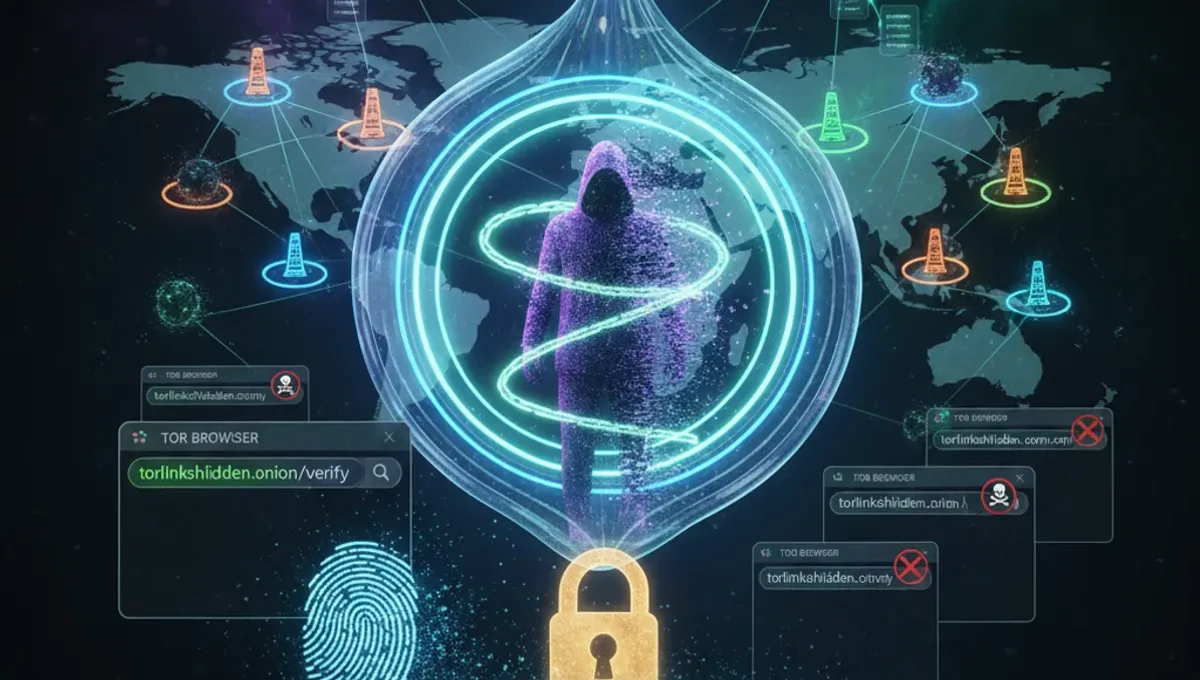
Phishing clones are fake copies of popular onion services that use similar names, layouts, and branding to deceive visitors. Because onion addresses are random 56-character strings, users often rely on directory listings or bookmarks rather than memorizing the correct address. A phishing clone might be listed in an unmaintained directory under a name that looks official, and a user who clicks it will land on a fake login page that harvests credentials. The attacker then uses those credentials to access the real service or sells them on other forums. Dark web tor links directories are particularly vulnerable to this attack because they aggregate many addresses without ongoing verification. Even well-intentioned directories become outdated; services move, addresses change, and old entries linger. A reader searching for onion adult links might find ten different directories, each with different addresses for the same service, with no way to know which is current without additional research.
Reality Layer: How the Ecosystem Actually Works
The Tor Project documentation emphasizes that onion services are designed for anonymity, not for automatic trust; the burden of verification falls entirely on the user. Law-enforcement agencies have repeatedly seized onion services and replaced them with honeypots that log visitor activity, then used that data in prosecutions; this means a directory link that worked last month might now point to a law-enforcement server. Security-vendor incident reports consistently show that users who rely on outdated or unverified directories suffer credential theft, malware infections, or accidental connection to law-enforcement monitoring infrastructure. Academic research on onion services confirms that the majority of onion directories are either abandoned, compromised, or operated by threat actors who inject malicious links. These realities matter because they show that finding tor adult links through a directory is inherently riskier than accessing a service through a bookmarked address or a PGP-signed announcement. The convenience of a directory comes at the cost of verification responsibility shifting entirely to you.
Deep Web Links Tor and Historical Directories
The Hidden Wiki was the most prominent deep web links tor directory for over a decade. It operated as a wiki where users could add and edit entries, which made it comprehensive but also vulnerable to vandalism and phishing injections. When the original Hidden Wiki went offline, multiple clones appeared within days, each claiming to be the authentic successor. Some clones were maintained by security researchers documenting the ecosystem; others were operated by scammers. The wiki model created a false sense of authority because it looked like Wikipedia, but it had no editorial oversight or verification process. Other historical directories included Torch, which was an onion search engine that crawled and indexed onion services, and various forum-based link collections. Most of these early directories are now offline or severely outdated. The lesson is that any directory claiming to be the original or authoritative source should be verified through multiple independent channels before you trust its links.
How to Verify Onion Addresses Before Visiting
Verification requires multiple steps and should never rely on a single source. Start by checking the official announcement channels of the service you are looking for: this might be a PGP-signed post on a forum, a message from an official social media account, or a statement on a clearnet mirror. Compare the onion address you found in a directory against at least two independent sources. Check the SSL certificate of the onion service by visiting it in the Tor browser and looking at the certificate details; legitimate services often use self-signed certificates, but the fingerprint should be consistent across visits. Use the Tor browser's built-in security features: disable JavaScript, keep plugins off, and use the highest security level. If a directory link leads to a login page you do not recognize, do not enter credentials; instead, verify the address through official channels first. Keep a list of bookmarked addresses for services you trust, rather than relying on directory searches each time.
Why Tor Wiki Links and Aggregators Fail
Tor wiki links and other aggregators fail because they cannot scale verification. A wiki with thousands of entries cannot verify each link in real time, especially when services go offline, move, or get seized regularly. Aggregators also become targets for law enforcement and security researchers who replace legitimate entries with honeypots or monitoring infrastructure. The decentralized nature of Tor means there is no mechanism to revoke or update a directory entry globally; if a service moves to a new address, old directories will continue pointing to the old one indefinitely. Users who find an old link in a directory and visit it might land on a seized service, a clone, or a honeypot without realizing it. This is why dark web tor links directories should never be your primary way of accessing a service. Instead, use directories as a starting point for research, then verify the address through official channels before visiting. The most secure approach is to bookmark addresses from official sources and avoid searching for them repeatedly.
Taking Action: Safer Habits for Onion Navigation
The core takeaway is that tor adult links directories are convenient but inherently untrustworthy without verification. Your safety depends on treating every directory link as potentially compromised until you confirm it through an official source. Start by identifying the service you want to access, then find its official announcement channel or PGP key. Compare any directory address against that official source before clicking. Use the Tor browser's security settings at the highest level, disable JavaScript, and keep your system updated. Bookmark verified addresses so you do not have to search for them repeatedly. If you are new to onion services, visit the Useful Resources page of this site to find links to verified projects like the Tor Project, Tails, and Whonix. These resources will point you toward legitimate directories and help you understand how to verify addresses correctly. Your first step today is to identify one onion service you want to access, find its official PGP key or announcement, and verify any directory address against that source before visiting.
Frequently asked questions
Are tor adult links directories safe to use
Directories themselves are not inherently unsafe, but they are often outdated or compromised. Many contain phishing clones or links to seized services. Always verify an address through official channels before visiting, and use the Tor browser's highest security settings. Never trust a directory link alone.
How do I know if an onion address is real or a phishing clone
Check the service's official PGP key, social media account, or clearnet mirror to find the correct address. Compare it against the directory link. Legitimate services publish their addresses through signed announcements. If an address appears in multiple independent sources and has a valid SSL certificate, it is more likely to be real.
What happened to the Hidden Wiki and other old tor directories
Most early directories like the Hidden Wiki went offline or were replaced by clones. Some are maintained by researchers, others by scammers. The decentralized nature of Tor means there is no single authoritative directory. Always verify addresses through current official sources rather than relying on historical directories.
Can law enforcement replace onion links in directories with honeypots
Yes. When law enforcement seizes an onion service, they can replace it with a honeypot that logs visitor activity. Directories cannot update fast enough to reflect these changes. This is why verification through official channels is critical before you visit any address.
What is the safest way to find and access onion services
Find the official announcement channel or PGP key for the service you want. Verify the address against that source. Bookmark it for future use so you do not have to search repeatedly. Use the Tor browser at the highest security level and keep your system updated. Avoid relying on directories as your primary navigation method.