What Makes a Dark Web Website Different
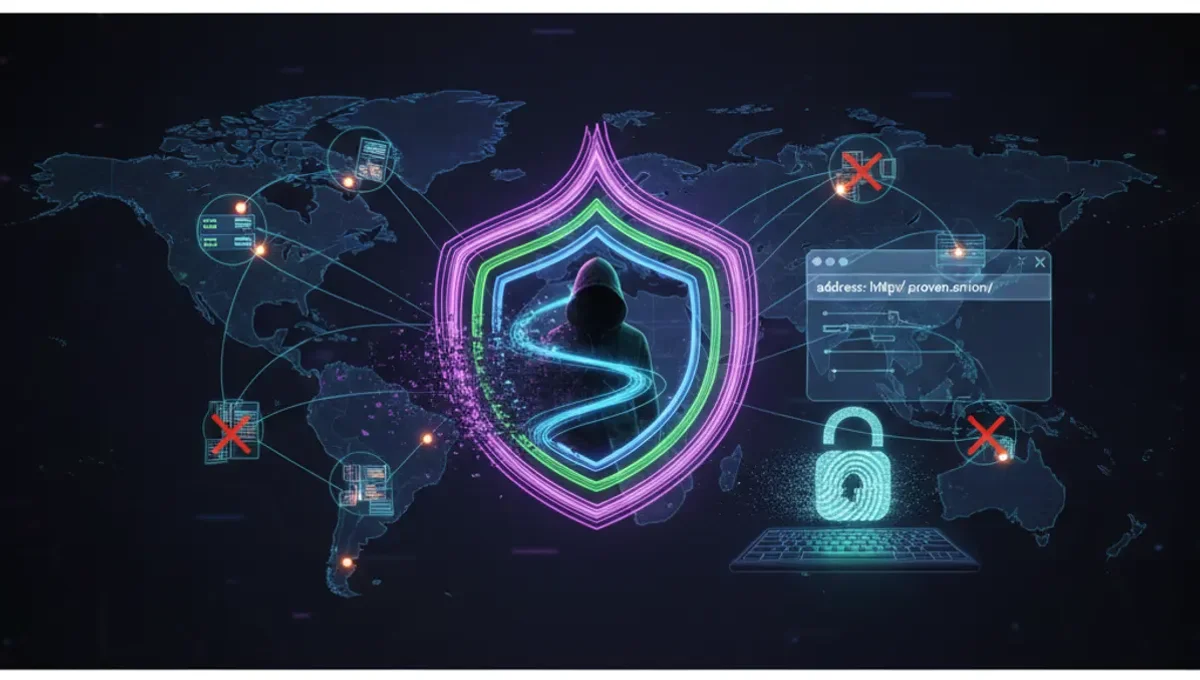
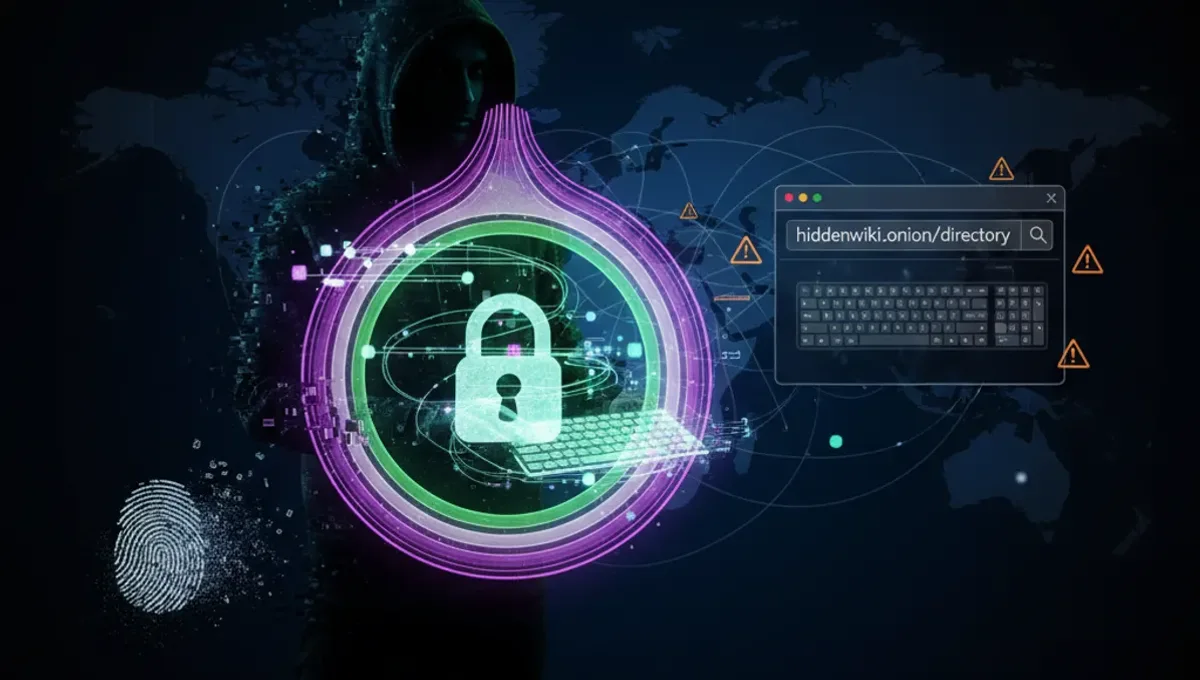
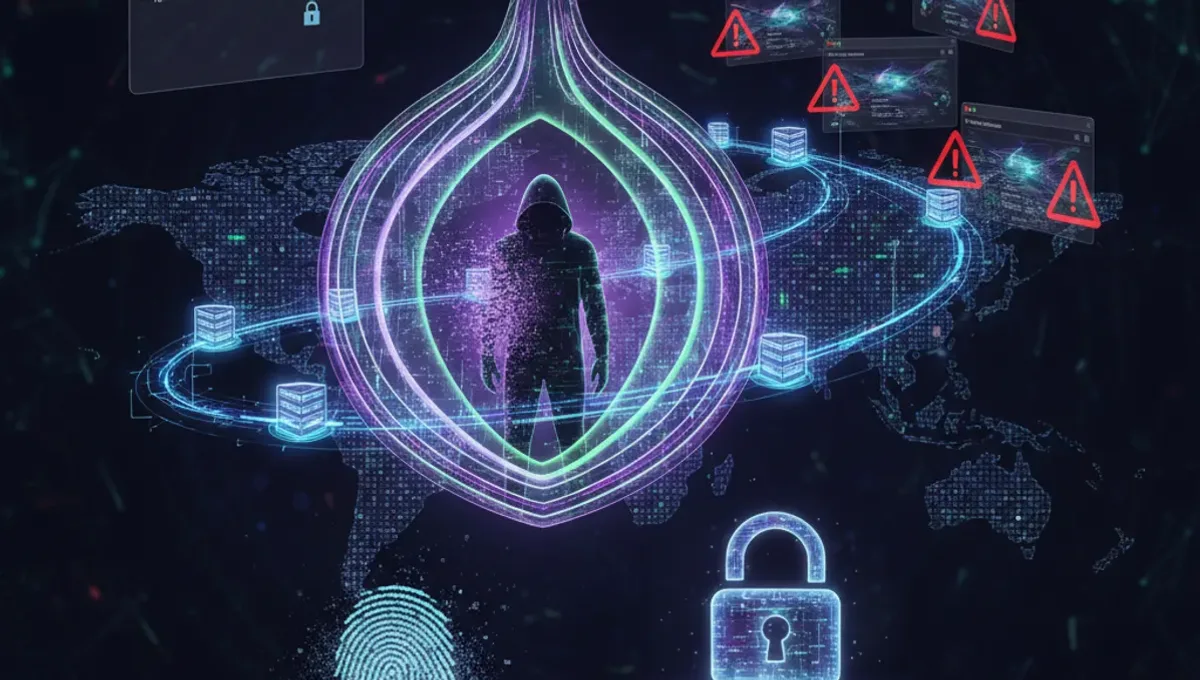
A website for dark web operates on hidden services within the Tor network, meaning its server location is masked and its traffic is routed through multiple relays. Unlike surface web sites, onion addresses are long alphanumeric strings (v3 addresses are 56 characters) that serve as both location and cryptographic proof of authenticity. This design protects both the site operator and visitors from network-level surveillance, but it also makes these sites invisible to search engines and impossible to find by accident.
The Tor Project documentation explains that onion services use end-to-end encryption by default, so even Tor exit nodes cannot see the content being transmitted. This matters because it means a dark web website can operate without relying on a traditional domain registrar or hosting provider, removing single points of failure that law enforcement typically targets. However, this same property makes it trivial for criminals to clone a legitimate site and host a phishing copy under a different .onion address.
Legitimate Uses and the Reality Layer
Onion services host journalism outlets that operate in countries with censorship, political forums where dissidents organize, and whistleblowing platforms where sources submit documents anonymously. Libraries and archives preserve access to information in regions where the internet is restricted. These are the use cases the Tor Project designed onion services to support.
However, public law-enforcement press releases and court records document that the same infrastructure has hosted illegal marketplaces, stolen data repositories and malware distribution sites. The anonymity that protects a journalist also protects a criminal, and the decentralized nature of Tor means no single authority can shut down the network itself. What typically happens instead is that individual sites are seized when operators are identified through operational security failures, cryptocurrency transaction analysis or informant tips. This matters to ordinary users because it means any dark web website could disappear without warning, and the address you find today may be a phishing clone tomorrow.
How Dark Web Websites Are Discovered and Verified
Finding a legitimate dark web website requires verification steps that do not exist on the surface web. The best dark web website for any purpose publishes its .onion address on an official clearnet domain (the regular internet), often with a PGP signature that proves authenticity. For example, a news organization might list its onion mirror on its main website with a cryptographic signature that readers can verify independently.
Without this verification, you cannot distinguish a real site from a phishing clone. Attackers register similar-looking .onion addresses and host convincing copies of popular forums or markets to steal login credentials or cryptocurrency. The Tor Project documentation warns that v2 addresses (the older 16-character format) are particularly vulnerable to this because the address space is smaller. Always cross-reference any .onion address with the official clearnet source before entering credentials or sending funds.
Dark Web Website Names and Address Formats
A dark web website name is not a human-readable domain like other sites. Instead, it is a cryptographic hash derived from the site's public key. Version 3 onion addresses (current standard) are 56 characters long and contain only lowercase letters and numbers. This format is deterministic: the same private key always generates the same address, which is why operators cannot change their address without losing their identity.
This creates a security paradox. On one hand, an attacker cannot hijack an onion address by compromising DNS or a domain registrar because there is no central registry. On the other hand, users must memorize or bookmark long strings of random characters, making them vulnerable to typos and phishing. Some operators use vanity address generators to create addresses with recognizable prefixes, but this is computationally expensive and rare. The best dark web apps and services solve this by publishing their addresses on official channels and encouraging users to bookmark them rather than search for them.
Dark Web Videos Website and Content Hosting
Onion services can host video content, though bandwidth constraints and the Tor network's latency make streaming impractical for most users. Some dark web videos website platforms exist for privacy-sensitive content like political documentaries or leaked footage, but they operate under the same verification and phishing risks as other onion services. The content may be legitimate journalism or it may be illegal material; the technology itself does not distinguish between them.
Hosting video on Tor requires significant server resources because every byte of data must be relayed through the Tor network. This is why most dark web video content is distributed as downloadable files rather than streamed. Users download the file over Tor, then watch it locally. This also means that any dark web videos website claiming to offer high-definition streaming is either lying about its capabilities or is a phishing site designed to harvest credentials.
Best Dark Web Apps and Client-Side Access
Accessing a website for dark web requires the Tor browser, which is the official and safest client maintained by the Tor Project. The best dark web apps for privacy are those that integrate with Tor rather than trying to replace it. Tails and Whonix are operating systems designed to route all traffic through Tor by default, providing defense-in-depth for users who need stronger isolation.
Other tools marketed as dark web apps often add no real security benefit and may introduce vulnerabilities. Mobile Tor browsers exist for Android, but they have a smaller user base and receive less security testing than the desktop version. The Tor Project documentation recommends using the official Tor browser on a fully updated operating system. If you are accessing a dark web website for sensitive purposes, consider using Tails on a dedicated machine or virtual environment to minimize the risk of malware or credential theft.
Risks, Misconceptions and What to Do Now
The most dangerous misconception is that accessing a dark web website makes you anonymous by default. Tor protects your IP address and location from the site operator, but it does not protect you from malware, phishing, or your own mistakes. If you log into a personal account on an onion service, you have deanonymized yourself to that service. If you maximize your browser window, the site can fingerprint your screen resolution. If you download a file and open it without precautions, it can compromise your device.
The second misconception is that all dark web websites are illegal. Many operate for legitimate privacy and security reasons. However, the barrier to entry is so low that illegal sites vastly outnumber legitimate ones. Before visiting any onion address, verify it through official channels. Use a dedicated device or virtual machine if possible. Never enable plugins or extensions. Keep your Tor browser updated. If you are researching dark web marketplaces or forums for security awareness, do so in an isolated environment and never interact with vendors or download files unless you have a specific, documented reason and understand the risks.
Frequently asked questions
What is a dark web website
A dark web website is an onion service hosted on the Tor network, accessible only through the Tor browser. It has a .onion address instead of a traditional domain and uses end-to-end encryption. These sites can be legitimate (journalism, whistleblowing platforms) or illegal (marketplaces, stolen data repositories).
How do I know if a dark web website is real
Verify the .onion address through the site's official clearnet website or PGP-signed announcement. Never trust an address you find through search or word-of-mouth alone. Check that the address matches exactly, as phishing clones use similar-looking addresses to steal credentials. Bookmark verified addresses rather than searching for them repeatedly.
Can I access a dark web website on my phone
Yes, but with caveats. The Tor Project maintains official Tor browsers for Android. However, mobile Tor browsers receive less security testing than desktop versions. For sensitive activities, use a desktop or laptop with a fully updated operating system. Never use third-party apps claiming to provide dark web access.
Is visiting a dark web website illegal
Visiting a dark web website is not illegal in most countries. However, accessing illegal content (stolen data, malware, certain materials) is illegal regardless of the network. Law enforcement can and does monitor onion services. If you are researching the dark web for security awareness, do so in an isolated environment and never download files or interact with vendors.
What makes a dark web website different from a regular website
A dark web website uses Tor's hidden service protocol, which masks the server's location and encrypts traffic end-to-end. Its address is a cryptographic hash rather than a registered domain. It cannot be found through search engines and requires the Tor browser to access. This design protects privacy but also enables illegal activity.