What 'Free Dark Web' Actually Means
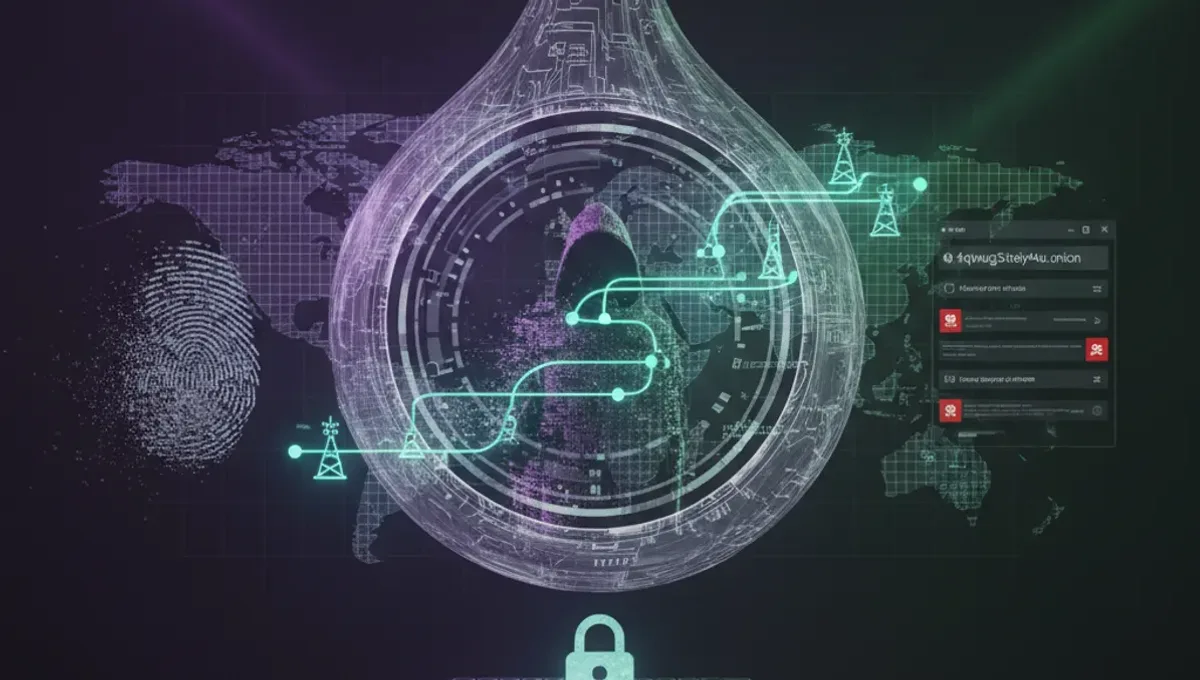
When people search for free dark web access, they usually mean one of three things: downloading a free browser to reach onion sites, finding free information about how the dark web works, or looking for free services hosted on the dark web itself. The Tor browser is genuinely free and legal to download. Onion services like ProtonMail's onion mirror and privacy-focused wikis are also free to use. What costs money are VPNs (optional but recommended for additional privacy), specialized hardware if you want to run a dedicated machine, and the opportunity cost of your time learning proper security practices. The phrase 'dark web for free' can also attract people toward scams: fake dark web search engines, malware-laden 'free browser' downloads, and phishing clones of legitimate onion sites. Real free access means using official tools from trusted sources, not downloading random executables from forums.
The Tor Browser: Your Free Entry Point
The Tor browser is the standard tool for accessing the dark web and it costs nothing. Download it only from the official Tor Project website to avoid trojans and modified versions. The browser routes your traffic through multiple relays, making it difficult for any single party to link your IP address to your activity. After installation, you open it like any other browser and can visit .onion addresses. A dark web free browser does not mean a different application; Tor is the browser. Some people confuse it with VPNs, which are separate tools that hide your IP from your ISP but do not access onion services. Using Tor alone is free and sufficient for accessing onion sites, though many security researchers recommend also using a VPN before connecting to Tor for additional obfuscation. The Tor browser updates regularly, so keep it current to patch vulnerabilities.
Free Dark Web Search Engines and Directories
A dark web search engine free to use helps you find onion sites without knowing their exact addresses. Search engines like DuckDuckGo have onion mirrors, and onion-specific search engines index .onion addresses. These tools are free but come with caveats. Many onion search engines are poorly maintained or run by unknown operators, making them vectors for malware links and phishing. The Hidden Wiki and similar community-maintained directories list onion sites by category, but entries are often outdated or point to scams. When using a dark web free search engine, assume that results may be malicious and verify any site you visit using PGP-signed announcements or official mirrors. Never click on the first result; cross-reference multiple sources. Free does not mean safe; it means you are the product and the responsibility for verification falls entirely on you.
Reality Layer: What Actually Happens When You Access the Dark Web for Free
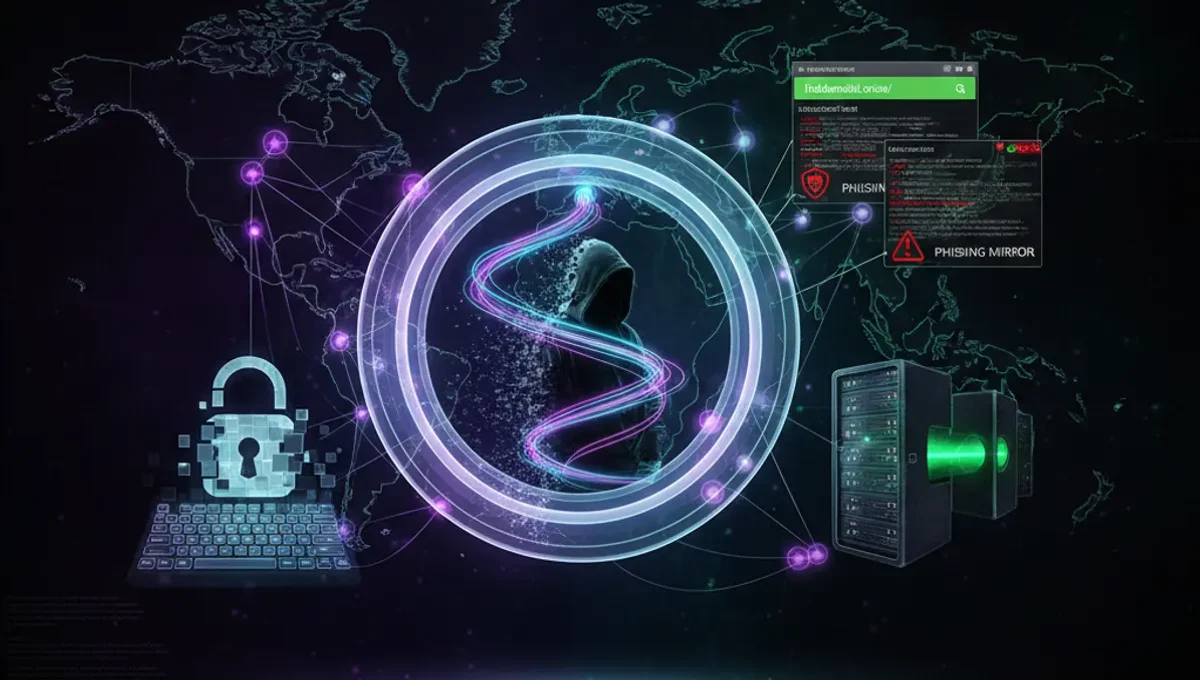
Three critical insights shape the real experience of free dark web access. First, according to Tor Project documentation, the Tor network itself is free and decentralized, but the anonymity it provides is not absolute; law enforcement has successfully deanonymized users through traffic analysis, malware injection, and correlation attacks. This matters because free access does not equal untrackable access, and users who assume they are invisible often make operational security mistakes. Second, security vendor incident reports consistently show that onion sites hosting illegal content are frequently honeypots or law-enforcement operations designed to identify visitors. Free access to these sites can result in criminal charges, not just privacy loss. Third, academic research on onion services reveals that many .onion addresses are phishing clones of legitimate sites, exploiting the difficulty of verifying onion URLs. Users searching for 'www dark web com free' or similar phrases often land on fake mirrors designed to steal credentials. The lesson: free tools are real, but free access to any site without verification is a liability.
Avoiding Scams and Malware on Free Dark Web Sites
Free dark web access attracts scammers because newcomers are desperate for guidance and often careless. Common traps include fake Tor browser downloads bundled with malware, phishing clones of popular onion forums and markets, and 'free guides' that are actually credential harvesters. To protect yourself, follow this approach:
- Download Tor only from the official Tor Project website;
- Verify the GPG signature of the installer before running it;
- Use a dedicated machine or virtual machine if possible;
- Never enable plugins or extensions in Tor;
- Disable JavaScript in Tor browser settings;
- Assume every onion site is hostile until proven otherwise;
- Cross-reference any site address with multiple sources before visiting. Malware on the dark web is not theoretical. Exploit kits, keyloggers, and ransomware are actively distributed through free downloads and fake mirrors. The cost of free access is constant vigilance.
Legal Risks of Free Dark Web Exploration
Accessing the dark web itself is legal in most countries, but what you do there determines your legal exposure. Merely visiting an onion site is not a crime. However, downloading illegal content, engaging in transactions, or accessing child exploitation material is prosecuted aggressively. Law enforcement agencies run their own onion sites and monitor traffic patterns. Free dark web access does not shield you from these operations. Users who assume anonymity means immunity often face serious charges. Additionally, some countries restrict Tor use or require permits, so check your local laws before installing the browser. Even in jurisdictions where Tor is legal, your ISP can see that you are using it, which may trigger scrutiny. Free access is legal, but the consequences of misuse are severe and well-documented in court records and law-enforcement press releases.
Building a Sustainable Free Dark Web Practice
If you want to use the free dark web responsibly, treat it as a skill that requires ongoing learning, not a one-time download. Start by reading the Tor Project's official documentation and security guides. Join communities focused on privacy and security, not on finding illegal content or shortcuts. Understand that free dark web search engine results are unreliable; instead, use official mirrors of legitimate services and PGP-signed announcements to verify addresses. Keep your Tor browser updated automatically. Use a separate user account or virtual machine for dark web activity. Document your own operational security practices and refine them over time. The free dark web is not a place to experiment recklessly; it is a tool for privacy that requires discipline. Your goal should be to use it safely for legitimate purposes like accessing censored information, communicating securely, or researching security topics, not to stumble into criminal activity or fall victim to scams. Free access is sustainable only when paired with mature threat awareness.
Frequently asked questions
Is it really free to access the dark web
Yes, the Tor browser is free and open-source. However, free does not mean risk-free. You must invest time in learning security practices, and you may choose to use a paid VPN for additional privacy. The real cost is your responsibility for staying safe.
Can I get in trouble just for accessing the dark web
Accessing the dark web is legal in most countries. However, what you do there determines your legal exposure. Visiting illegal marketplaces, downloading prohibited content, or engaging in criminal activity will result in prosecution. Law enforcement monitors onion sites actively.
What is the safest free dark web browser
The Tor browser is the standard and safest free option when downloaded from the official Tor Project website. Always verify the GPG signature before installing. Other browsers claiming to offer dark web access for free are often malware or scams.
How do I know if a dark web site is real or a phishing clone
Onion addresses are long and difficult to memorize, making them easy to spoof. Always verify addresses through official PGP-signed announcements, official mirrors, or the Useful Resources page of this site. Never trust search engine results alone.
Do I need a VPN if I am using Tor for free dark web access
A VPN is optional but recommended. Using a VPN before Tor adds an extra layer of privacy by hiding your Tor usage from your ISP. However, a VPN is not a substitute for Tor; use both if you want maximum privacy.